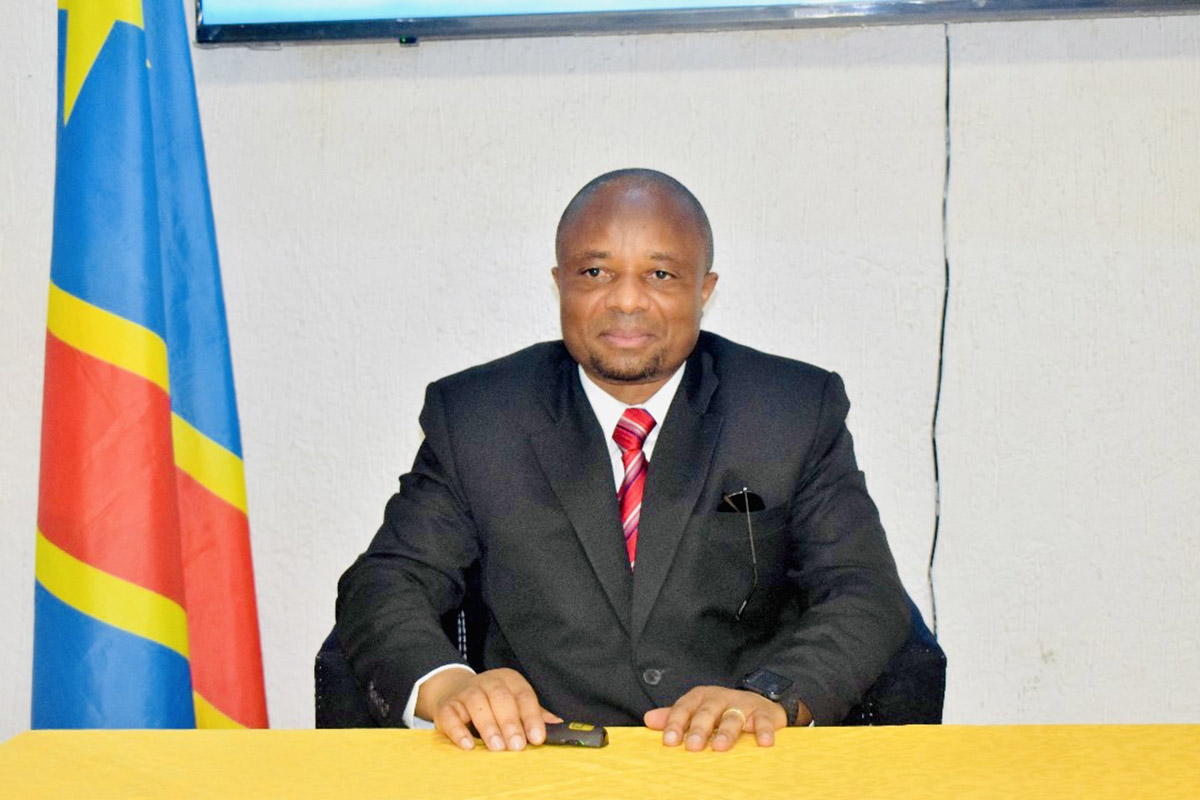
Prevention of obstetric fistula: What does Professor Justin Paluku from UNIGOM think?
Obstetric fistula remains a public health issue in the Democratic Republic of the Congo.
Generally, every pregnant woman is potentially at risk of developing a fistula at the end of her pregnancy. It is access to quality reproductive health services that makes the difference. Women who have access to these services are spared from developing fistula. Those who do not have such an access are at risk of developing this condition.
Efforts are being made by United Nations agencies, governments, non-governmental organizations, communities, and individuals to eradicate this disease by the year 2030. This eradication involves prevention to avoid new cases of obstetric fistulas and repair of existing cases.
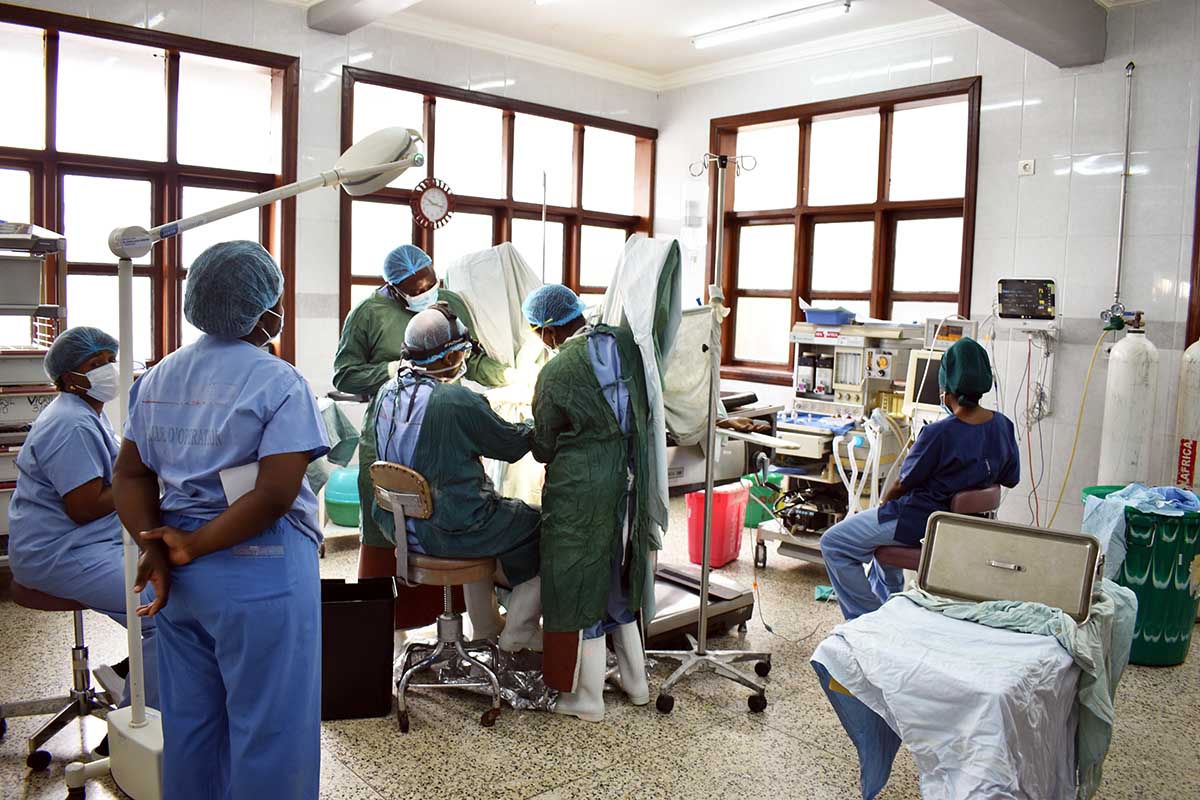
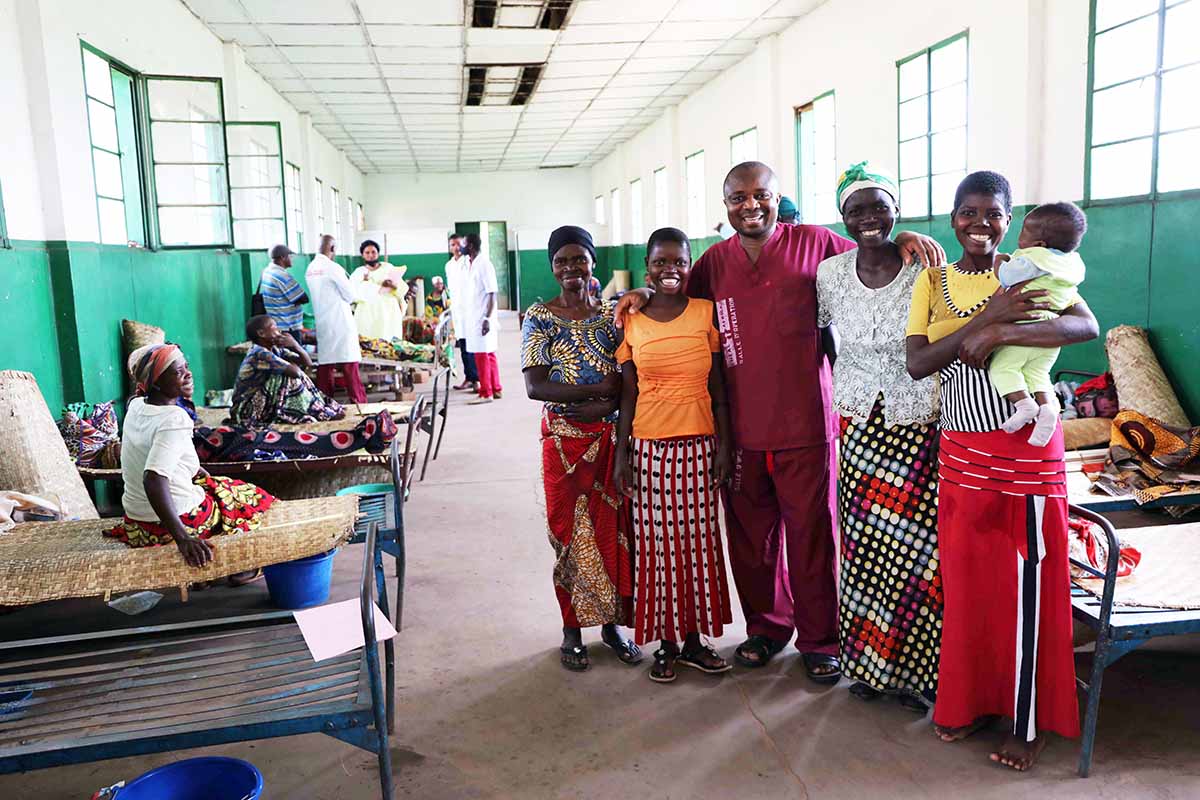
Prevention of obstetric fistula is complex but achievable. It certainly requires colossal resources and intervention of multiple actors. No non-governmental organization can claim to be able to achieve it alone. Central government involvement and community actions are crucial for the success of obstetric fistula prevention.
During the exchange session on the issue of obstetric fistula in DRC, that took place in Goma in December 2024, Professor Justin Paluku from the University of Goma (UNIGOM) recommended the following general actions to prevent obstetric fistula:
- Ensure proper nutrition for female children to ensure their good physical growth,
- Ensure a good education for girls to combat ignorance,
- Fight against early marriages of adolescent girls,
- Ensure access to quality reproductive health services (family planning, pre- and post-natal care, appropriate use of the partograph during labor monitoring, qualified assistance during childbirth, ...),
- Ensure good organization of patients referral system,
- Ensure continuous training of healthcare providers and put them in good working conditions,
- Ensure timely access to quality cesarean section.